As a graduate student with an assistantship at a natural history museum, I am just starting out my museum journey. WMA was a chance to unbury my head from stacks of books and hear from the people and organizations committed to their work every day, putting thought into action. I am grateful to the Wanda Chin Scholarship for helping me find these moments of connection and bringing me into a space where so much knowledge is held and shared. As a recipient, I was excited for the opportunity to connect with my own communities here in Utah and the specificities of the projects we are all pursuing locally, but also to learn and engage in the amazing work being done across many contexts, states, and places and to hear from the perspectives of so many different institutions.
In the demands of being a graduate student, working in a state that holds many community needs, and facing a larger climate fraught with division and diminishing funding, it can sometimes feel like we’re taking it all on as individuals. WMA was a necessary reminder that we are all in it together. I was especially struck by the number of discussions oriented toward thinking through museums’ civic, decolonial, and community engagement practices, represented by a mix of large state to small institutions. Hearing about the ways we are all working for more just practices, sharing the knowledge we can gain from each other, and acting on what we’ve learned in our differences was inspiring. With a newly gained practical toolbox of tips and tricks, I am excited to return to my studies and museum work with renewed energy and a dedication to put what I’ve learned at WMA into action.
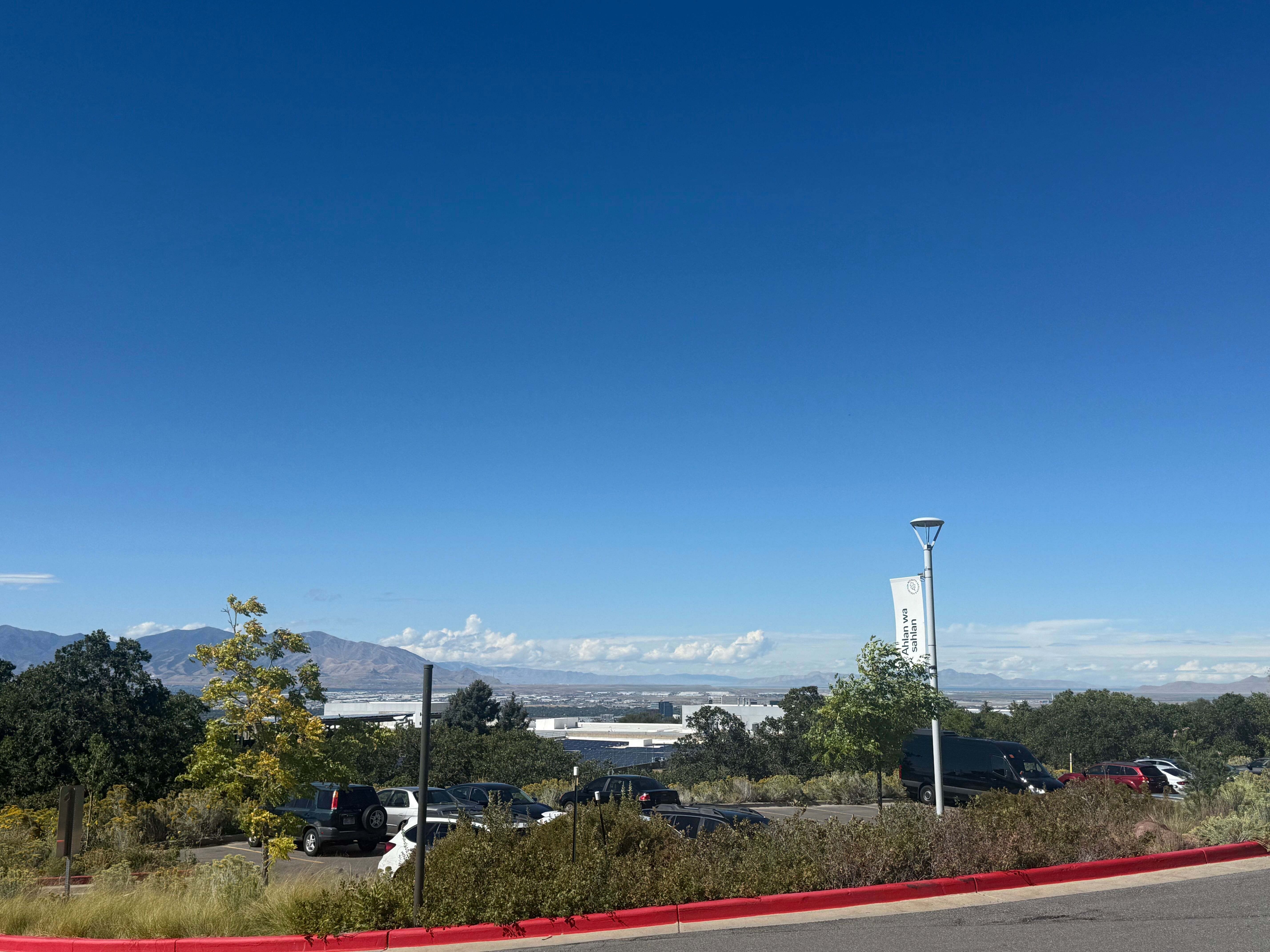
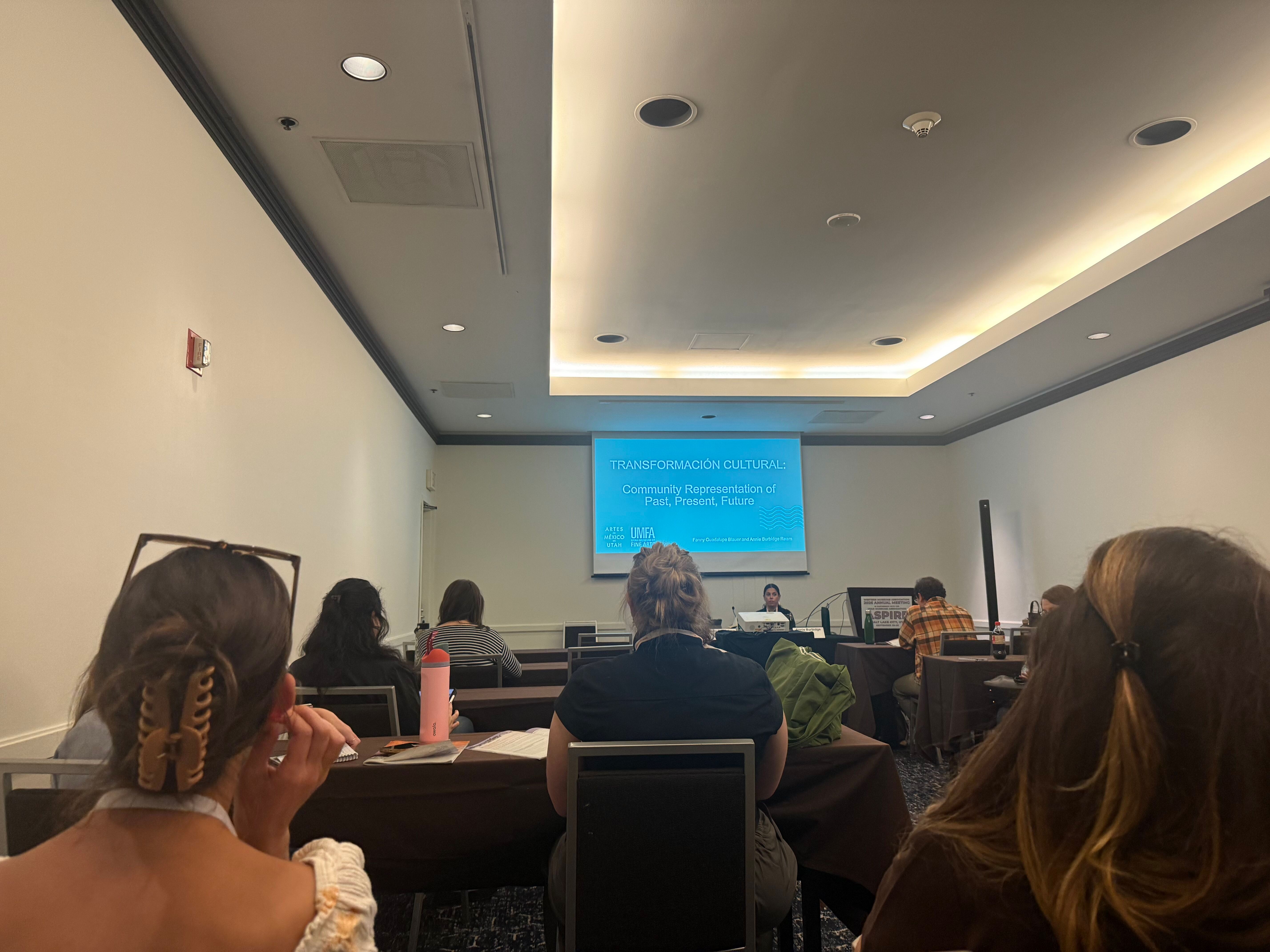
From the opening keynote, to attending 9 sessions, an emerging professionals roundtable, a pre-conference tour at Wuda Ogwa, an evening at the Natural History Museum of Utah, browsing many posters, and hearing from orgs along the way, my WMA was packed. Sandwiched between the windowless walls of the hotel’s second floor, the conference hall was alive with the smell of coffee, chatter, and laughter. Invigorated by this energy, I left each day feeling more and more inspired by the work happening all around me, able to look around Salt Lake City, a place I have left and returned to many times now for many different reasons, with a restored commitment to everyone who calls this place home.
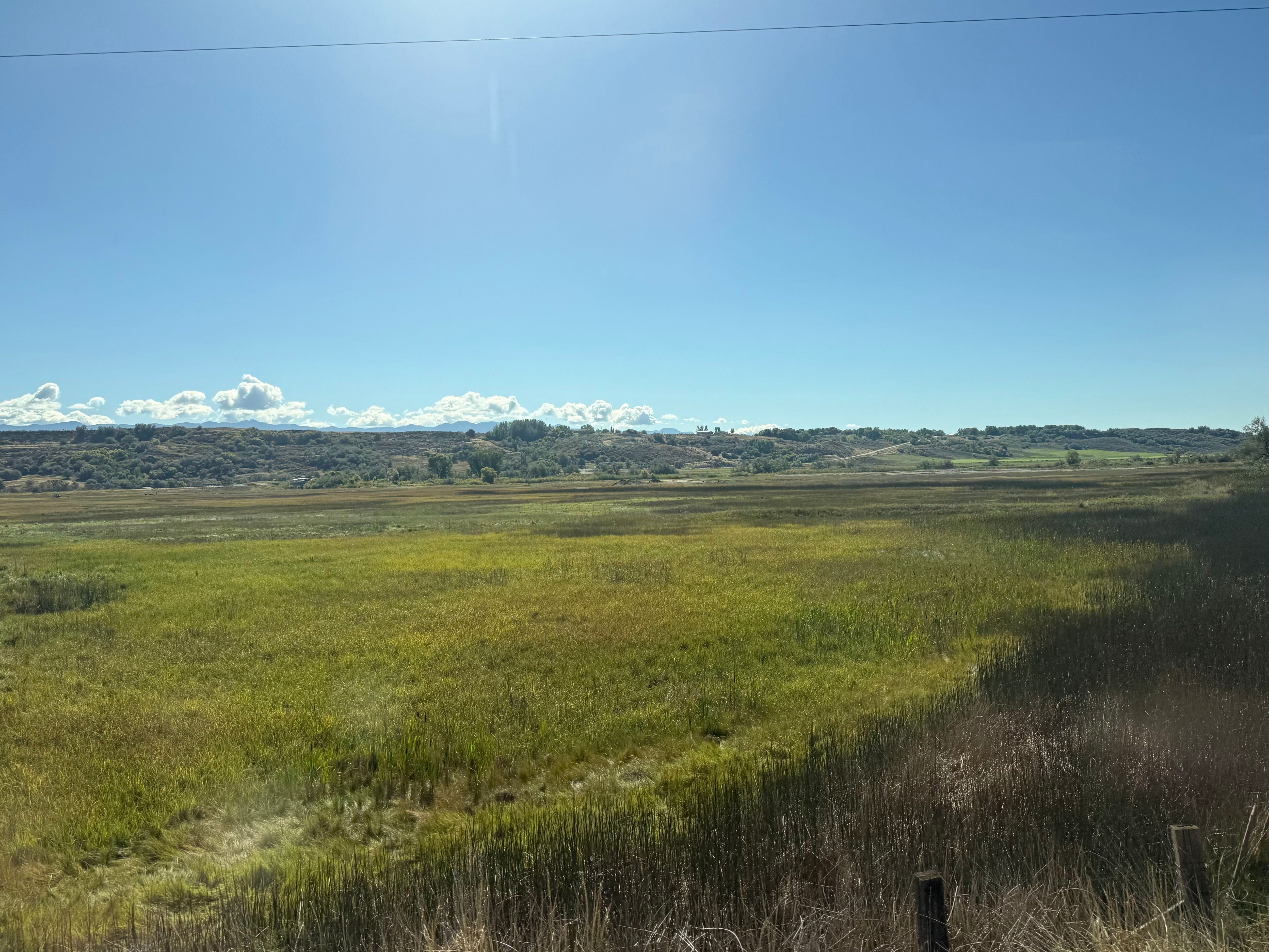
I also was generously gifted a last-minute ticket to a visit to the Northwest Band of the Shoshone Nation’s restoration site, Wuda Ogwa. I was nervous stepping out of the bus, nerves on overdrive for the first day of my first conference, the early autumn air just starting to turn the scrub oak red and orange. But the shared food and conversation set my mind at ease and became a grounding moment that reflected across the rest of the conference. To begin WMA with a connection to land and place, to the histories, present action, and future vision that the restoration carries, was a reminder I carried with me throughout the conference. I thank Maria, Rios, Jami, and everyone on the tour for sharing their knowledge and time.
To those who chatted with me the whole bus ride home, who reflected on the ups and downs of grad school over messy lunch wraps, who played with those Tetris blocks over fresh baked cookies, and who talked through an emerging future of museum work; to those working tirelessly behind the scenes, refilling coffee, solving tech issues, and keeping the cogs turning; and to all the presenters, thank you for a wonderful first WMA enlivened by all these moments of connection.
Emma Duggleby is currently a graduate student in the Environmental Humanities at the University of Utah and a research assistant at the Natural History Museum of Utah.
Add new comment